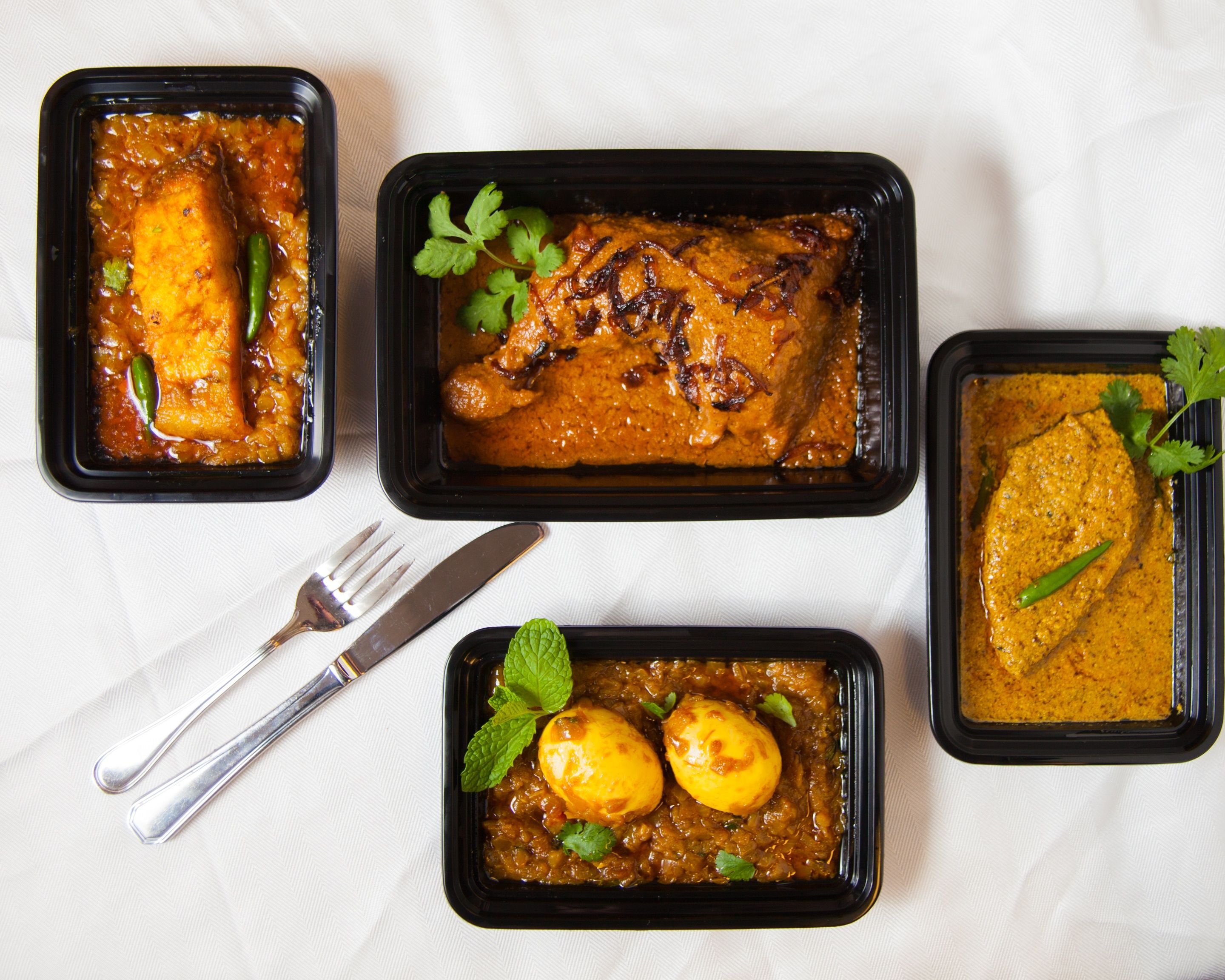
You know that smell. It hits you the second you walk through the door of a Desi Bazar Desi Kitchen—that heavy, intoxicating mix of roasted cumin, fried onions, and something sweet like cardamom or rose water. It’s thick. It’s unmistakable. Most people wander into these spots looking for a specific brand of Basmati rice or maybe a giant bag of atta flour, but if you're just buying groceries and leaving, you’re honestly doing it wrong.
The "back of the store" vibe is a real thing.
These places aren't just shops. They are community hubs. You’ve got shelves stacked ten feet high with lentils on one side, and on the other, a tiny counter where a guy is probably yelling over the sound of a sizzling tawa. This is the Desi Bazar Desi Kitchen experience. It’s chaotic. It’s loud. It’s also where you will find the most authentic food outside of a literal home in Lahore or Delhi.
The Reality of the Desi Bazar Desi Kitchen Culture
Let's be real for a second. If you’re looking for white tablecloths and a quiet ambiance, this isn't it. You’re likely eating off a plastic plate while someone pushes a shopping cart past your elbow. But that’s the charm, right? The food in a Desi Bazar Desi Kitchen doesn't have to pretend. It isn't trying to win a Michelin star; it’s trying to taste like home.
The menu is usually a whiteboard with half the items crossed out. Maybe they have Nihari today, maybe they don’t. It depends on what the chef felt like waking up and cooking at 5:00 AM. This unpredictability is actually a hallmark of quality. In the world of South Asian cuisine, "daily specials" aren't a marketing gimmick—they are a necessity based on what spices were fresh and how long the bone broth has been simmering.
A lot of these kitchens started as an afterthought. A shop owner realized that people got hungry while looking for the right shade of turmeric, and suddenly, a single burner turned into a full-blown operation. This organic growth means the recipes are often family secrets passed down through generations, not something learned in a culinary school. You can taste the difference in the masala. It’s grittier. It’s bolder.
Why the Grocer-Restaurant Hybrid Works So Well
Why do we keep coming back?
It’s the supply chain. Think about it. If you’re running a Desi Bazar Desi Kitchen, your "pantry" is the entire warehouse behind you. If the chef needs a specific type of Kashmiri chili or a fresh batch of ghee, they don't call a distributor. They walk twenty feet to aisle four. This creates a feedback loop of freshness that most standalone restaurants simply cannot match.
The turnover is insane. Because these bazars serve a high volume of local families, the produce doesn't sit. The cilantro is vibrant. The ginger is snappy. When you eat a Samosa Chaat at a Desi Bazar Desi Kitchen, the chickpeas have likely been sourced from the very bags sitting on the pallet next to your table.
The "Hidden" Menu Items You Should Ask For
Usually, what you see isn't all you can get.
Most people order the Chicken Tikka or the Butter Chicken because it’s safe. Don't be that person. Look at what the staff is eating. Often, there’s a "staff meal" or a "home-style" Daal (lentils) that isn't even on the printed menu. Ask for the Sabzi of the day. It’s usually a dry vegetable curry—maybe okra (Bhindi) or bitter melon (Karela)—that has been cooked down until it’s caramelized and perfect.
Also, the chai.
Never leave without the tea. This isn't the "Chai Latte" you get at a corporate coffee chain. This is Karak Chai. It’s been boiled for so long it’s practically a syrup, loaded with ginger and enough caffeine to power a small city. It’s usually served in a small styrofoam cup, and it’s perfect.
The Economics of the Bazar Kitchen
From a business perspective, the Desi Bazar Desi Kitchen model is brilliant. Rent is covered by the grocery sales. The kitchen provides the "stickiness" that keeps customers in the store longer. It’s a symbiotic relationship. People come for the Biryani, and while they wait twenty minutes for it to be ready, they remember they need tea leaves, snacks, and a new pressure cooker.
According to retail analysts like those at McKinsey or KPMG who track ethnic food trends, the "grocerant" (grocery-restaurant) model has seen a 30% uptick in the last five years. Why? Because people are tired of sanitized, corporate dining. They want "third places" that feel lived-in. The Desi Bazar Desi Kitchen fills that void perfectly.
However, there are challenges. Health inspections can be a hurdle for older bazars that weren't originally built for heavy cooking. Ventilation is often a struggle—hence the heavy scent of spices that clings to your clothes for three days. But for the regulars, that's just part of the price of admission for a $10 plate of food that tastes like a $50 meal.
Navigating the Spice Levels (A Warning)
Let’s talk about "Desi Hot."
If you go to a standard Indian restaurant in a suburban strip mall, "mild" means no spice, and "hot" means a little tingle. At a Desi Bazar Desi Kitchen, the scale is different. "Mild" is usually still spicy. "Medium" will make your eyes water. "Hot" is a spiritual experience that might require a side of yogurt (Raita) and a cold yogurt drink (Lassi) to survive.
The heat isn't just from chili powder. It’s a layering of black pepper, green chilies, cloves, and mace. It builds. You don't feel it on the first bite, but by the tenth, you're sweating. This is intentional. In many South Asian cultures, the heat is meant to stimulate digestion and cool the body down in hot climates.
Beyond the Curry: The Bakery Section
Most of these bazars also have a "Mithai" or sweets counter. This is where things get really interesting. You’ve got Gulab Jamun—fried dough balls soaked in sugar syrup—and Jalebi, which are neon-orange swirls of deep-fried batter.
If the Desi Bazar Desi Kitchen has a tandoor (a clay oven), you have to get the Naan. Fresh Naan is a completely different food group compared to the bagged stuff you find in the bread aisle. It should be blistered, slightly charred, and soft enough to fold. If it’s crunchy like a cracker, they did it wrong.
Common Misconceptions About Bazar Food
People think it’s "unhealthy" because it’s rich.
Sure, if you’re eating Lamb Rogan Josh every single day, your cholesterol might have some questions for you. But many Desi Bazar Desi Kitchen offerings are actually quite balanced. Tarka Dal (tempered lentils) is a protein powerhouse. Many of the vegetable dishes are vegan by default, using mustard oil or coconut oil instead of ghee.
Another myth is that it's all the same.
South Asian food is as diverse as European food. A kitchen run by a family from Kerala will taste nothing like a kitchen run by a family from Punjab. The southern style will use more coconut, curry leaves, and rice. The northern style—which is what you usually find in most Desi Bazar Desi Kitchen spots in the US or UK—leans heavily on wheat, cream, and tandoori grilling.
Actionable Tips for Your Next Visit
If you want to make the most of your trip to a Desi Bazar Desi Kitchen, don't just walk in blindly. Follow these steps to ensure you get the best experience:
- Timing is Everything: Go during the "transition" times. Between 2:00 PM and 5:00 PM, the kitchen is less slammed, and the chef is more likely to give you a fresh batch of whatever they just finished prepping.
- Check the Fridge: Often, these kitchens pre-pack containers of "Ghar ka khana" (home food). These are usually better deals and more nutritious than the heavy fried items on the main menu.
- The Bread Rule: Only order your Naan or Roti when you are five minutes away from finishing your shopping. It loses 50% of its soul for every minute it sits in a bag. Eat it hot.
- Bulk Up on Spices: While your food is being prepared, hit the spice aisle. Buying spices at a Desi Bazar is roughly 70% cheaper than buying those tiny glass jars at a standard supermarket. Look for brands like Laxmi or Deep.
- Ask for the 'Chutney' Status: A good kitchen makes its own mint and tamarind chutneys daily. If they are using bottled stuff, it’s a red flag. The fresh green chutney should be bright, spicy, and slightly tart.
The Desi Bazar Desi Kitchen is a beautiful, messy, delicious slice of culture. It's proof that some of the best culinary experiences aren't found in a dining room with a reservation system, but in the back of a grocery store where the floors are slightly sticky and the food is made with genuine soul. Next time you need a bag of lentils, bring your appetite. You won't regret it.
To get started, look up the highest-rated grocery stores in your area on local forums—often, the best kitchens don't even have their own separate Google Maps listing; they exist as a "photo" under the main grocery store's profile. Check the reviews specifically for mentions of "biryani days" or "weekend specials." Start with a simple plate of Chana Masala or a Kebab roll. Observe the crowd, smell the spices, and let the flavors do the talking.